
Empowering Veterans. Restoring Hope. Building Futures.

Providing veterans with the resources, support, and opportunities they need to successfully transition into civilian life and thrive within their communities.

What Inspired Us

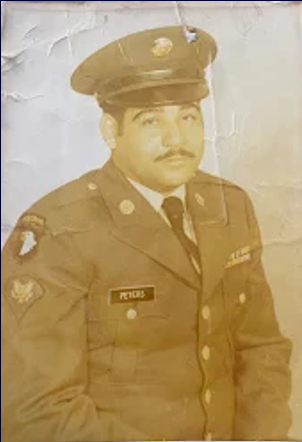
The Pierre Group was inspired by a commitment to stand beside those who stood for us — a commitment deeply rooted in the story and inspiration of Joseph Peters. His dedication, resilience, and passion for serving others helped shape the vision behind our organization and reinforced the belief that veterans deserve continued support long after their military service has ended.

We believe honoring service means more than saying thank you; it means taking action to help veterans build stable, successful, and fulfilling futures.

Because those who served our nation should never have to navigate life’s challenges alone.

Inspired by the legacy of Joseph Peters and driven by a mission to serve those who served us.
 

Our Mission

To empower veterans to overcome systemic barriers and achieve successful reintegration into society.

Our Vision

Empowering veterans with the tools, training, and support they need to thrive in civilian life.

THE REALITY OUR VETERANS FACE

Mental Health and Suicide
  • Suicide Rates: Tragically, an average of 17 veterans die by suicide every day in the United States, with a suicide rate approximately double that of the general civilian population.
  • Transition Stress: The crisis is especially acute for newly separated veterans; the confluence of suicide risks peaks severely within the first 1 to 3 years after leaving the military as they struggle with civilian identity. 
  • PTSD and Depression: Nearly 20% of military service members who returned from Iraq and Afghanistan have reported symptoms of post-traumatic stress disorder (PTSD) or major depression. 
Disability and Chronic Health
  • Disability Spikes: Roughly 30% of all living veterans receive Department of Veterans Affairs (VA) disability compensation.
  • Post-9/11 Claims: For post-9/11 veterans, over a third (about 1.5 million) report a service-connected disability, and they are increasingly likely to have the highest disability ratings (such as the 70% to 100% bracket). 
  • Traumatic Brain Injury: More than 380,000 service members are reported to have sustained TBIs during the post-9/11 era.
  • Chronic Disease: Veterans suffer from significantly higher rates of chronic conditions like obesity, heart disease, diabetes, and COPD compared to civilian peers, even after adjusting for age. 
Demographic Shifts and Aging
  • Declining Numbers: The number of U.S. veterans is shrinking; in 2011, 11.7% of American adults were veterans, but that figure dropped to 6.1% in recent demographic tracking. 
  • The Aging Population: About half of all living veterans (roughly 8.5 million individuals) are 65 years or older. These older veterans report higher rates of functional disabilities compared to other older adults. 
Socio-Economic Realities
  • Workforce: Veterans generally integrate well into the workforce (unemployment rates often track slightly lower than civilians), but younger veterans and those with functional disabilities face acute economic strains.
  • Civilian-Military Divide: An estimated 71% of Americans feel they do not understand the unique problems faced by veterans who have served since the September 11 attacks, highlighting a growing disconnect between public respect and lived reality.